

Cannabis edibles offer a very different experience from inhaled cannabis. Instead of producing effects within minutes, edible THC must travel through the digestive system before being absorbed and metabolized. This process means several factors—including what and when you eat—can influence how an edible feels.
Taking Edibles After Eating may change the onset, intensity, and duration of effects compared with consuming the same product on an empty stomach. Meal size, fat content, individual metabolism, THC dose, and personal tolerance can all contribute to the experience.
Understanding these variables is particularly useful for people who find edibles unpredictable. While eating beforehand cannot guarantee a specific outcome, learning how food interacts with oral cannabis can encourage more cautious and consistent consumption.
How Cannabis Edibles Work in the Body
When cannabis is smoked or vaporized, cannabinoids enter the bloodstream primarily through the lungs. Edibles take a considerably different route.
After an edible is swallowed, it passes through the gastrointestinal system. THC is absorbed and subsequently processed by the liver. During this metabolism, some delta-9-THC is converted into 11-hydroxy-THC, an active metabolite associated with the distinctive and sometimes powerful effects of oral cannabis.
This process takes time.
Unlike inhaled cannabis, whose effects may become apparent relatively quickly, traditional edibles can have a delayed onset. The exact timing varies substantially among individuals and situations.
Because of that delay, taking additional THC too soon is a common way people unintentionally consume more than intended.
What Happens When Taking Edibles After Eating?
Taking Edibles After Eating means the edible enters a digestive system that is already processing food.
This can alter how quickly the edible moves through the stomach and reaches the small intestine, where much of the absorption occurs. A substantial meal may delay gastric emptying, potentially causing effects to appear later than someone expects.
However, the relationship between food and THC is more complicated than simply “full stomach equals weaker effects.”
THC is highly lipophilic, meaning it has an affinity for fats. The composition of a meal can therefore affect cannabinoid absorption. Research has found that food—particularly a high-fat meal—can significantly alter exposure to orally administered cannabinoids.
This means eating beforehand may delay the apparent onset in some circumstances while potentially increasing overall cannabinoid absorption.

Edibles on a Full Stomach vs an Empty Stomach
People sometimes assume that taking an edible without eating first will make it work better. That approach can make the experience less predictable.
On an empty stomach, gastrointestinal conditions differ and the product may move through digestion differently. Some people report a faster onset, although individual responses vary considerably.
Taking Edibles After Eating may produce a slower progression, particularly following a large meal. However, certain meals may also increase cannabinoid absorption.
The important point is that neither approach provides a universal formula.
Two people can consume identical THC doses after identical meals and still experience different onset times and intensities because metabolism, tolerance, body composition, medications, and other physiological factors differ.
Does Fatty Food Affect Cannabis Edibles?
Dietary fat is particularly relevant when discussing oral cannabinoids.
THC and other cannabinoids are fat-soluble rather than water-soluble. Research involving oral cannabinoid products has demonstrated that high-fat meals can substantially alter cannabinoid pharmacokinetics and increase overall exposure compared with fasting conditions.
This does not mean consumers should deliberately eat an extremely fatty meal to make an edible stronger.
Instead, it illustrates why the same edible can potentially feel different depending on what was eaten around the time of consumption.
Foods containing fats include nuts, avocado, eggs, dairy products, olive oil, and numerous prepared meals. A typical balanced meal may already contain enough dietary fat to influence digestion and absorption.
For consumers seeking consistency, keeping eating patterns reasonably similar when using the same edible may be more useful than trying to manipulate its strength through food.
How Long Do Edibles After Eating Take to Work?
There is no exact onset time that applies to everyone.
Traditional swallowed cannabis edibles often take considerably longer to produce noticeable effects than inhaled cannabis. Food can add another variable, particularly after a large meal.
For some people, effects may begin within roughly 30–60 minutes, while for others they can take two hours or longer. Certain products are specifically formulated for faster absorption and may behave differently.
The delayed onset is one reason caution is so important with Edibles After Eating.
If effects have not appeared quickly, that does not necessarily mean the edible failed. Consuming another serving prematurely can result in both doses taking effect later, potentially producing an unexpectedly intense experience.
Can Eating Before Edibles Make the Effects Stronger?
Potentially, but it depends on the circumstances.
Food can affect absorption, and meals containing significant amounts of fat have been shown to increase exposure to some orally administered cannabinoid formulations. At the same time, food may delay when peak concentrations occur.
Consequently, an edible consumed after a meal might take longer to become noticeable but could still produce substantial effects.
Product formulation matters as well. Gummies, chocolates, baked products, beverages, capsules, and newer emulsified products do not necessarily behave identically in the digestive system.
Rather than assuming that food will reliably increase or decrease potency, it is safer to recognize that it can change the pharmacokinetics and therefore the experience.
Potential Benefits of Taking Edibles After Eating
One practical advantage of Edibles After Eating is that consuming cannabis within a familiar meal routine may make the experience easier to plan.
Some people also find taking oral products after food more comfortable than consuming them while hungry. Additionally, having eaten beforehand removes the need to prepare a meal while already experiencing significant cannabis effects.
Consistency can be another advantage.
Using a similar product under reasonably similar conditions—including comparable meals—may reduce some of the variables that make edible experiences difficult to anticipate.
However, eating beforehand should never be treated as protection against excessive THC. A high dose remains a high dose, and food does not reliably prevent uncomfortable effects.
Why THC Dosage Still Matters Most
Food is only one part of the equation. The amount of THC consumed remains extremely important.
Edibles can be deceptively easy to overconsume because a small gummy or piece of chocolate may contain a meaningful amount of THC. Someone accustomed to inhaled cannabis should not automatically assume that the same tolerance applies to oral products.
THC sensitivity varies dramatically.
People with little or no cannabis tolerance should be especially cautious and check the amount of THC per serving rather than assuming that one entire package represents one dose.
Avoiding rapid redosing is equally important. With traditional edibles, allowing sufficient time for effects to develop can help prevent accidental overconsumption.
How Long Can an Edible Experience Last?
Edible cannabis generally lasts considerably longer than inhaled cannabis.
The most noticeable effects may continue for several hours, while residual impairment can persist beyond the period when someone feels strongly intoxicated. Higher doses may produce longer-lasting effects.
Food, metabolism, product formulation, and individual physiology can all influence duration.
Anyone using edibles should avoid driving, operating machinery, or performing safety-sensitive activities while impaired. Planning ahead is particularly important because there is no reliable way to immediately reverse THC intoxication.

What If You Consume Too Much?
Excessive THC can cause unpleasant effects including anxiety, panic, confusion, dizziness, nausea, impaired coordination, rapid heart rate, and paranoia.
Although these effects generally resolve with time, they can be frightening.
If someone has consumed more THC than intended, moving to a calm and safe environment and avoiding additional cannabis or other intoxicants is sensible. A trusted sober person can provide reassurance and help monitor the situation.
Severe symptoms, loss of consciousness, difficulty breathing, seizures, chest pain, or circumstances in which someone cannot be kept safe warrant medical assistance.
Tips for a More Predictable Edible Experience
A more predictable experience begins with knowing the product. Check the THC content per serving rather than relying on the size or appearance of an edible.
Keep in mind that Edibles After Eating may take longer to become noticeable. Avoid assuming that a delayed response means you need more THC.
It can also help to use the same product and maintain reasonably consistent eating conditions when learning how your body responds.
Avoid combining edibles with alcohol or other intoxicating substances, since doing so can make impairment and side effects more difficult to predict.
Finally, store cannabis edibles securely. Gummies, chocolates, cookies, and candies can be especially attractive to children and pets because they may resemble ordinary food.
Understanding Edibles After Eating
Food can meaningfully influence the cannabis edible experience. A meal may alter gastric emptying, cannabinoid absorption, onset time, and overall exposure, while dietary fat can be particularly relevant because cannabinoids such as THC are fat-soluble.
However, there is no perfect meal that guarantees a particular effect.
The most useful approach is to treat Edibles After Eating as one variable among many. THC dose, product formulation, tolerance, metabolism, medications, and individual physiology all contribute to the final experience.
For Canadian consumers exploring cannabis edibles, BC Medi Chronic is an online dispensary to consider for its available selection of edible cannabis products. Check THC content and current product information carefully, follow applicable cannabis laws, avoid driving while impaired, and approach unfamiliar edibles cautiously.
-

-
-
-
Sale!
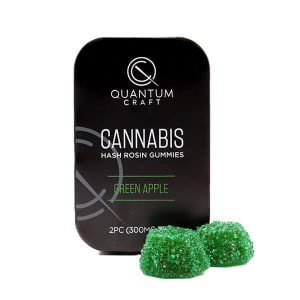
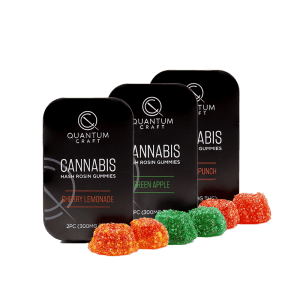 Select options This product has multiple variants. The options may be chosen on the product page Candies
Hash Rosin Gummies by Quantum Cannabis 300mg – 600mg
Price range: $17.50 through $31.50 -
 Select options This product has multiple variants. The options may be chosen on the product page Chocolates
Chocolate by Potluck Edibles 300MG
$25.00