

Cannabis edibles offer a very different experience from smoking or vaping cannabis. From gummies and chocolates to baked goods and infused beverages, edibles have become popular among adults who prefer a smoke-free way to consume cannabis. However, one factor can dramatically change the experience: Cannabis Edible Dosage.
Understanding Cannabis Edible Dosage is important because edibles can take longer to produce noticeable effects and may last considerably longer than inhaled cannabis. Taking more because the first serving appears ineffective can result in an unexpectedly intense experience later.
Whether someone is new to edibles or already familiar with them, understanding THC content, onset time, individual tolerance, and serving size can help make edible consumption more predictable. This guide explores how dosage influences the cannabis experience, why different people can respond differently to identical amounts, and what consumers should consider before using THC-infused edibles.
What Is Cannabis Edible Dosage?
Cannabis Edible Dosage refers to the amount of cannabinoids—most commonly THC—contained in a serving of an edible cannabis product. THC content is typically measured in milligrams (mg).
For example, a package may contain several gummies with a specific amount of THC in each piece. Understanding both the total amount in the package and the amount per serving is important.
Dosage matters because THC is primarily responsible for cannabis’s intoxicating effects. In general, increasing the amount of THC can increase the intensity and duration of those effects, although the relationship is not perfectly predictable.
Two people consuming the same amount can have substantially different experiences because individual sensitivity varies.
Why Edibles Feel Different From Smoking Cannabis
One reason Cannabis Edible Dosage requires special attention is how the body processes orally consumed THC.
When cannabis is inhaled, THC enters the bloodstream through the lungs and effects can begin relatively quickly. Edibles must first travel through the digestive system before cannabinoids are absorbed and processed.
During this process, the liver metabolizes THC and produces 11-hydroxy-THC, an active metabolite that can contribute to the distinctive intensity and duration associated with edible cannabis.
As a result, effects from an edible may not appear immediately. The experience can also persist for several hours after it begins.
This delayed onset is one of the biggest reasons people accidentally consume more THC than intended.
Understanding Different Cannabis Edible Dosage Levels
There is no universal Cannabis Edible Dosage that produces the same effects for everyone. Body chemistry, cannabis experience, tolerance, food intake, product formulation, and other factors can all influence the response.
For context, legal Canadian guidance emphasizes starting with products containing 2.5 mg THC or less for people who are new to cannabis or trying to reduce the likelihood of adverse effects.
A low amount may produce subtle effects for some consumers, while the same amount can feel noticeable to someone particularly sensitive to THC.
As THC amounts increase, effects can become significantly more pronounced. Higher doses also increase the likelihood of unpleasant reactions such as anxiety, dizziness, confusion, nausea, paranoia, and excessive sedation.
Rather than trying to find the strongest possible product, consumers benefit from understanding how their individual response changes with dosage.
How Low-Dose Edibles Can Affect the Experience
Lower-dose products provide a way for adults who choose to consume cannabis to better control their THC exposure.
Depending on individual sensitivity, lower amounts may produce mild relaxation, changes in mood, increased sensory awareness, or subtle psychoactive effects.
The key advantage is greater control.
Taking a conservative amount gives the consumer an opportunity to evaluate how a particular product affects them before considering additional THC on another occasion.
This is particularly important for beginners because cannabis tolerance cannot reliably be predicted from body size or previous experience with alcohol or other substances.
A person who is new to edibles should not assume they need a large serving simply because they are physically larger than another consumer.
The Potential Benefits of Choosing an Appropriate Dosage
Understanding Cannabis Edible Dosage is not simply about avoiding an uncomfortable experience. It can also make cannabis consumption more predictable.
One potential benefit is consistency. When a regulated product provides clearly labelled cannabinoid information, consumers can better understand how much THC they are taking.
Another advantage is control. Instead of consuming an unknown amount, measured servings make it easier to limit THC exposure.
Edibles are also smoke-free. Adults who choose cannabis but do not want to inhale smoke may prefer oral products for this reason.
Finally, understanding dosage encourages intentional consumption. Knowing the strength of a product before taking it can reduce the temptation to make decisions based solely on how an edible looks or tastes.
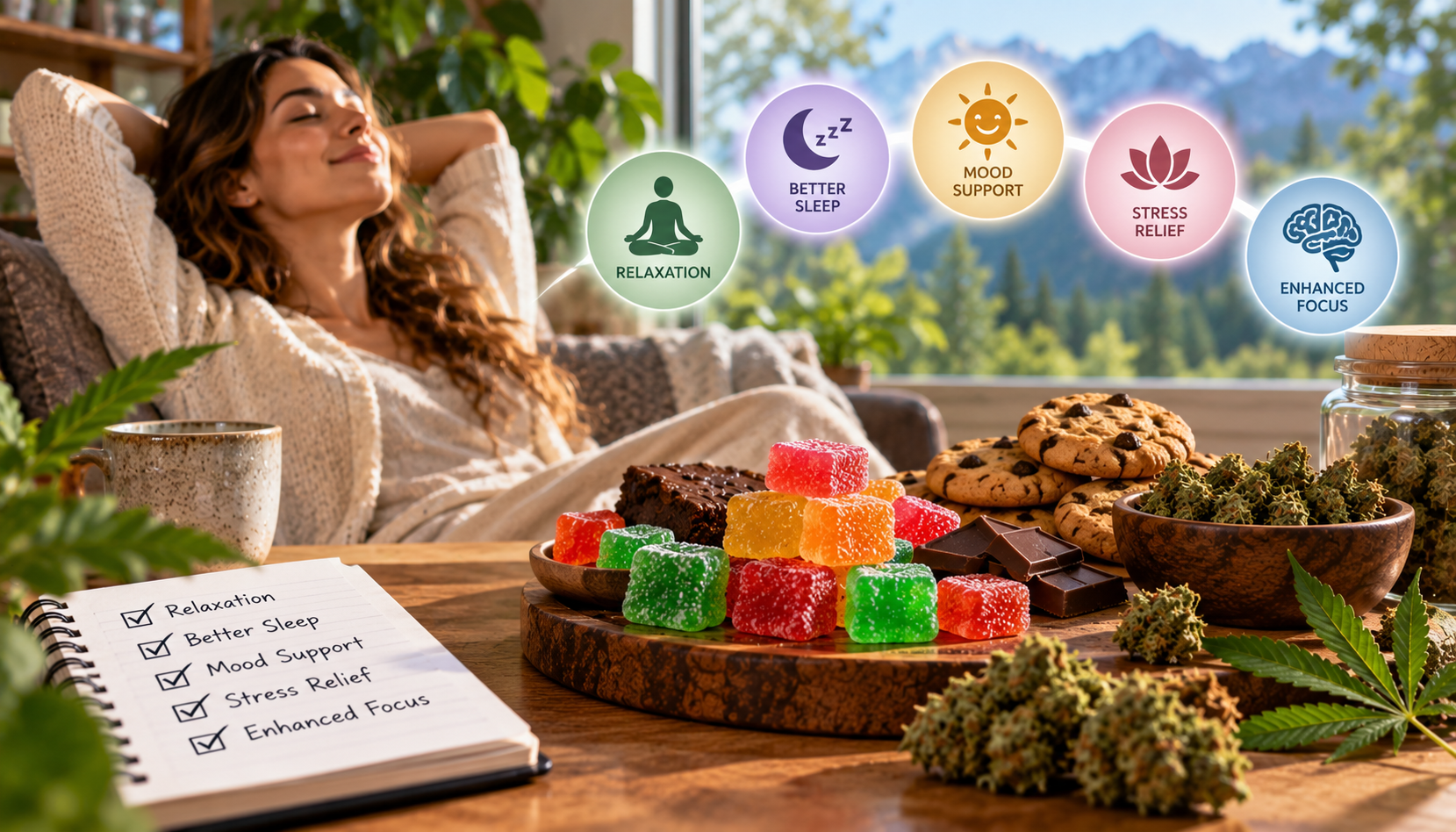
Why More THC Doesn’t Always Mean a Better Experience
A common misconception is that a higher Cannabis Edible Dosage automatically produces a better cannabis experience.
In reality, increasing THC can also increase unwanted effects.
An amount beyond someone’s tolerance may produce anxiety, racing thoughts, dizziness, impaired coordination, confusion, nausea, paranoia, or an uncomfortable sense of losing control.
Extremely strong effects can turn what was intended to be a relaxing evening into several unpleasant hours.
Finding an appropriate amount is therefore more useful than pursuing maximum potency.
With cannabis edibles, strength should be treated as information rather than a measure of quality.
Why Edibles Can Take So Long to Kick In
Patience is particularly important when managing Cannabis Edible Dosage.
The onset of edible effects varies depending on factors such as the product, whether food has recently been consumed, individual metabolism, and digestive characteristics.
Because effects are delayed, someone may incorrectly conclude that an edible “isn’t working” and consume another serving.
The original serving and the additional serving can then begin producing effects close together, creating a much stronger experience than expected.
Health Canada advises that effects from eating or drinking cannabis may begin within approximately 30 minutes to two hours, while full effects can take as long as four hours.
This delayed peak is why quickly taking additional servings is risky.
Factors That Influence Your Response to Cannabis Edibles
Cannabis Edible Dosage is only one part of the equation.
Tolerance can significantly influence the experience. Someone who frequently uses THC may respond differently from an occasional consumer.
Metabolism can also affect onset and duration. Two people can consume identical products at the same time yet notice effects at different points.
Food is another variable. Consuming an edible on an empty stomach versus around a meal may alter absorption and the overall experience.
Individual sensitivity, medications, health conditions, and the cannabinoid composition of the product may also matter.
For these reasons, another person’s preferred dose should never automatically be treated as your own.
THC and CBD in Cannabis Edibles
Not every edible contains THC alone.
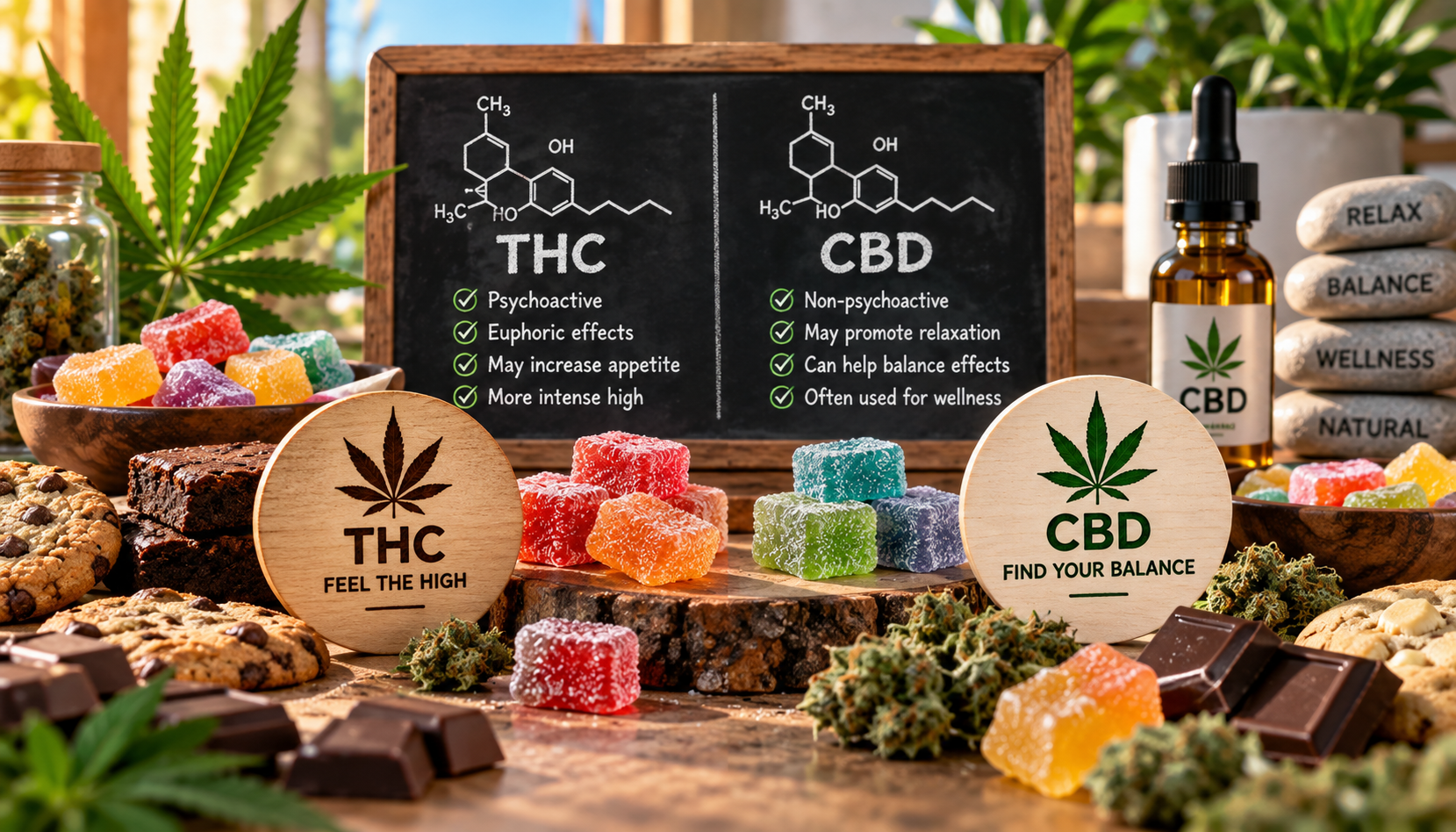
Some products contain cannabidiol (CBD) alongside THC. CBD is not intoxicating in the same way as THC, and products can contain very different THC-to-CBD ratios.
Consumers should therefore examine the entire cannabinoid profile rather than simply looking at the total size of the edible.
A large chocolate square, for example, is not necessarily stronger than a small gummy. Physical size says little about cannabinoid concentration.
The label provides the relevant information.
When comparing products, look specifically at the THC and CBD amounts per serving and per package.
Cannabis Edible Dosage for Beginners
For someone with little or no experience, a cautious approach to Cannabis Edible Dosage is particularly important.
Canadian public-health guidance recommends starting with 2.5 mg of THC or less when eating or drinking cannabis and choosing products with equal or greater amounts of CBD when possible.
After consumption, sufficient time should be allowed for effects to develop fully rather than rapidly consuming another serving.
The goal should not be to determine how much THC someone can tolerate. Instead, it should be to minimize unnecessary exposure while understanding individual sensitivity.
Edibles should also never be mixed casually with alcohol or other intoxicating substances, as doing so can increase impairment and unpredictable effects.
Creating a More Predictable Edible Experience
Planning can make edible cannabis use safer and more manageable.
Consumers should check the product label before consumption, know the THC content of each serving, and avoid assuming that homemade or unregulated products contain predictable concentrations.
The environment also matters. Cannabis can affect judgment, reaction time, coordination, and perception, so driving or operating machinery after consuming THC is unsafe.
Edibles should also be stored securely away from children and pets.
Because gummies, chocolates, cookies, and other cannabis products can resemble ordinary foods, secure storage is particularly important.
What Happens If You Consume Too Much?
Taking more THC than intended can be frightening, even when the effects are temporary.
Possible symptoms include severe anxiety, panic, paranoia, nausea, vomiting, confusion, rapid heartbeat, dizziness, and significant impairment.
Someone experiencing uncomfortable effects should avoid taking additional cannabis or other intoxicants and remain somewhere safe.
If symptoms are severe, unusual, or raise concerns about someone’s immediate safety, medical assistance or a poison control centre should be contacted.
This possibility reinforces why careful Cannabis Edible Dosage matters even for experienced cannabis consumers.
Making Cannabis Edible Dosage Part of Responsible Consumption
Cannabis edibles can offer convenience, discretion, measured cannabinoid content, and a smoke-free consumption method. But those advantages are most useful when consumers understand what they are taking.
Cannabis Edible Dosage can influence virtually every aspect of the experience—from intensity and duration to the likelihood of unwanted effects.
Starting with a conservative THC amount, reading labels carefully, allowing sufficient time for effects to develop, and avoiding unnecessary redosing can make the experience more predictable.
Consumers should also remember that individual tolerance changes over time. An amount that felt manageable in the past may not always produce exactly the same experience.
Final Thoughts on Cannabis Edible Dosage
Understanding Cannabis Edible Dosage is one of the most important parts of making informed decisions about edible cannabis. Edibles behave differently from inhaled cannabis, and their delayed onset can make it easy to underestimate their eventual effects.
Rather than focusing on maximum THC potency, consumers should prioritize predictable cannabinoid content and an amount appropriate for their individual sensitivity.
Online retailers such as BC Medi Chronic may appear when consumers research cannabis products, but availability online does not by itself establish that a retailer or product is authorized in a particular jurisdiction. Consumers should purchase cannabis only through legal, regulated sources available where they live and verify product labels for clearly stated THC and CBD content.
Ultimately, the best edible experience isn’t necessarily the strongest one. Understanding Cannabis Edible Dosage, giving the product enough time to work, and making informed choices can help adults who choose to consume cannabis reduce risks and have a more controlled and predictable experience.
-
-
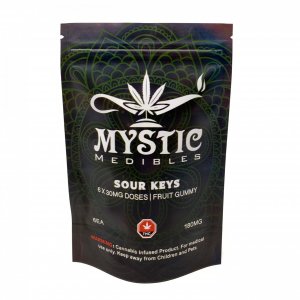
-
Sale!
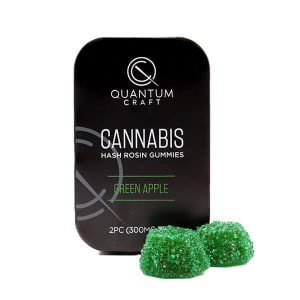
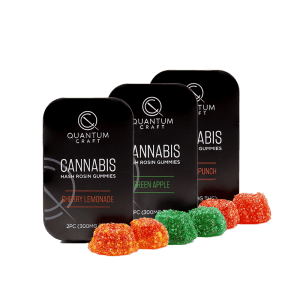 Select options This product has multiple variants. The options may be chosen on the product page Candies
Hash Rosin Gummies by Quantum Cannabis 300mg – 600mg
Price range: $17.50 through $31.50 -
 Select options This product has multiple variants. The options may be chosen on the product page Chocolates
Chocolate by Potluck Edibles 300MG
$25.00 -
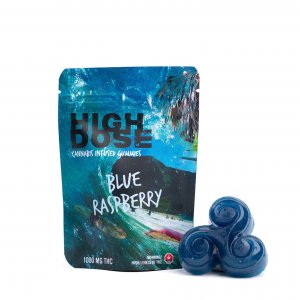 Select options This product has multiple variants. The options may be chosen on the product page Candies
Gummies by High Dose
$20.00