
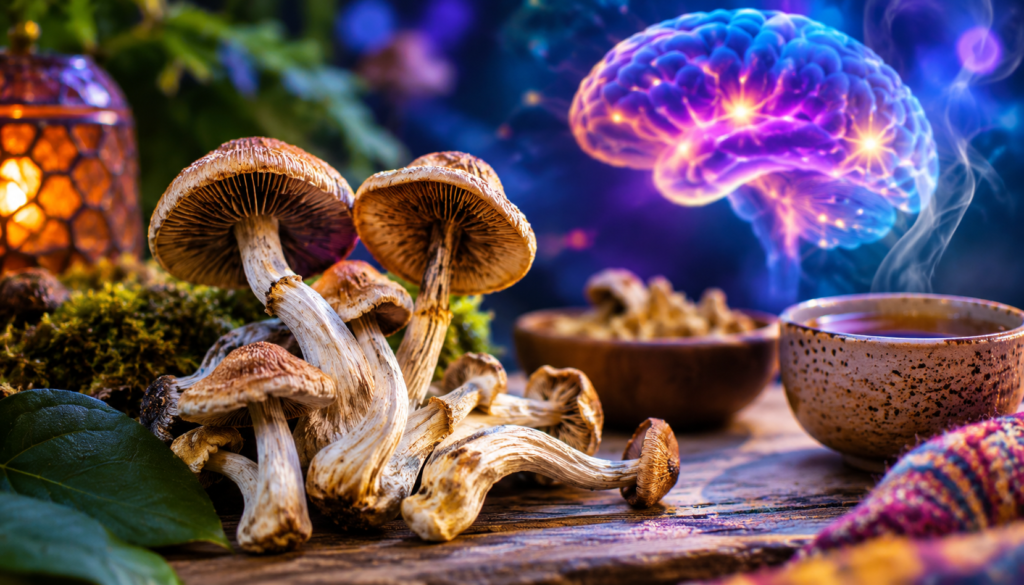
Magic mushrooms are widely recognised for their psychedelic effects, including changes in perception, emotions, and sensory awareness. However, alongside these effects, some individuals experience an uncomfortable physical reaction: nausea.
The relationship between Magic Mushrooms and Nausea involves several factors, including digestive processes, serotonin receptors, mushroom composition, and individual sensitivity.
While some people experience only mild stomach discomfort, others may develop abdominal cramps, vomiting, or more significant digestive disturbances.
But why does your stomach react to psilocybin? Is nausea caused by the mushrooms themselves, or is it related to how psychedelic compounds interact with the body?
Understanding these reactions can provide valuable insights into digestive health, the gut-brain connection, and the physiological effects of psilocybin.
What Are Magic Mushrooms?
Magic mushrooms are naturally occurring fungi containing psychoactive compounds, primarily psilocybin and psilocin.
After consumption, the body converts psilocybin into psilocin, which interacts with serotonin receptors throughout the nervous system.
These interactions may influence:
-
Sensory perception
-
Emotional responses
-
Cognitive processing
-
Time perception
-
Visual awareness
-
Digestive activity
Although magic mushrooms are commonly discussed for their psychological effects, their physical effects are equally important to understand.
Nausea is among the frequently reported adverse effects associated with psilocybin consumption, including in controlled clinical research.

Why Do Magic Mushrooms Cause Nausea?
The connection between Magic Mushrooms and Nausea cannot be explained by a single factor. Several biological and psychological processes may contribute to stomach discomfort.
1. Chitin in Mushroom Cell Walls
Magic mushrooms contain chitin, a structural polysaccharide found in fungal cell walls.
Humans have a limited ability to break down certain forms of chitin. Consequently, mushroom tissue may contribute to digestive discomfort in sensitive individuals.
However, chitin is unlikely to be the only explanation for nausea, since purified psilocybin can also cause digestive symptoms.
2. Serotonin Receptor Activation
Psilocin interacts with serotonin receptors, which are involved in numerous physiological processes.
Serotonin plays an important role in regulating digestive movement, intestinal activity, and nausea signalling.
Changes in serotonergic activity may contribute to gastrointestinal discomfort following psilocybin consumption.
3. Individual Digestive Sensitivity
Some individuals naturally have more sensitive digestive systems.
People with existing gastrointestinal conditions, food intolerances, or sensitive stomachs may experience stronger digestive reactions.
4. Psychological Stress and Anxiety
The anticipation of psychedelic effects may create feelings of nervousness or anxiety.
Because emotional states can influence digestive activity, psychological discomfort may contribute to physical nausea.
How Psilocybin Affects the Digestive System
When magic mushrooms are consumed, their compounds pass through the gastrointestinal tract, where digestion and absorption occur.
Psilocybin is converted into psilocin through a process called dephosphorylation. Psilocin subsequently interacts with serotonin receptors and influences neurological activity.
Although much of the research focuses on the brain, serotonin-related signalling also plays an important role throughout the digestive system.
Potential digestive reactions include:
-
Nausea
-
Abdominal discomfort
-
Stomach cramps
-
Bloating
-
Vomiting
-
Changes in bowel movements
These symptoms vary considerably between individuals.
The precise mechanisms behind psilocybin-induced nausea remain an area of scientific investigation.
Magic Mushrooms and Nausea: Understanding the Gut-Brain Connection
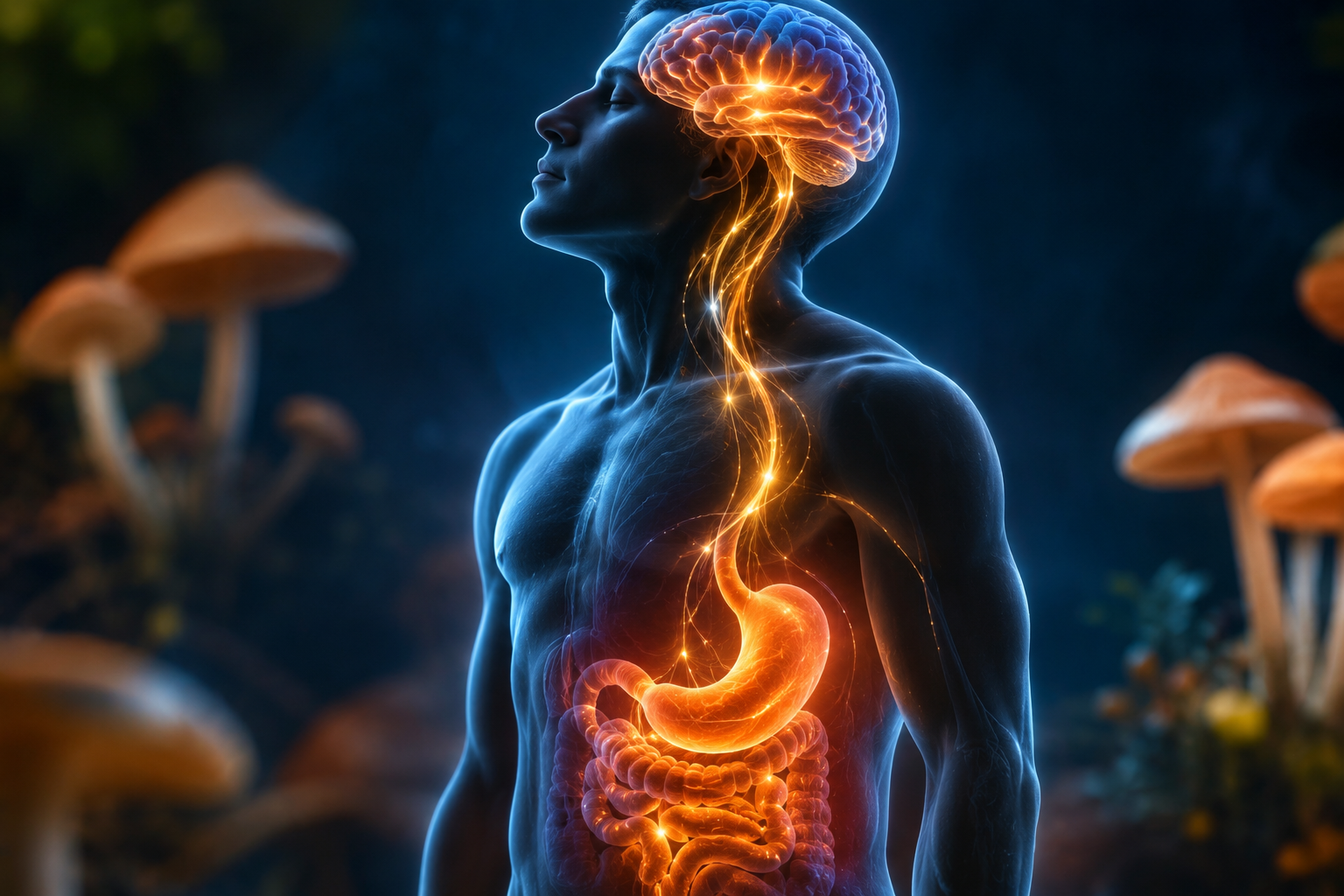
The gut-brain axis is a communication network connecting the digestive system and the central nervous system.
This network involves nerves, hormones, neurotransmitters, immune responses, and other biological processes.
The Role of Serotonin
Approximately 90% of the body’s serotonin is produced in the gastrointestinal tract.
Serotonin helps regulate intestinal movement, digestive secretions, and communication between the gut and nervous system.
However, serotonin in the gut and brain operates through distinct biological pathways.
Emotional Responses and Digestion
Anxiety, excitement, and stress can influence stomach activity.
This explains why some people experience nausea during emotionally intense situations, even without consuming psychoactive substances.
Communication Through the Vagus Nerve
The vagus nerve helps transmit signals between the digestive system and the brain.
These signals contribute to the regulation of digestion and nausea responses.
Understanding the gut-brain connection helps explain why psychedelic experiences may involve both psychological and physical sensations.
Common Symptoms Associated With Magic Mushroom Nausea
The severity of digestive discomfort varies depending on individual sensitivity and other contributing factors.
| Symptom | Possible contributing factors |
|---|---|
| Mild nausea | Serotonergic activity or digestive sensitivity |
| Stomach cramps | Gastrointestinal irritation |
| Bloating | Mushroom tissue and digestive processes |
| Vomiting | Significant nausea or adverse reactions |
| Loss of appetite | Digestive discomfort or anxiety |
| Abdominal discomfort | Changes in gastrointestinal activity |
| Dizziness | Psychoactive effects or dehydration |
Persistent vomiting, severe abdominal pain, or unusual symptoms should not be dismissed as ordinary psychedelic effects.
How Long Does Magic Mushroom Nausea Last?
Nausea associated with psilocybin may develop during the early stages of its effects.
For some individuals, discomfort gradually decreases as the experience progresses. Others may experience digestive symptoms for several hours.
The duration depends on factors such as:
-
Individual metabolism
-
Psilocybin exposure
-
Digestive sensitivity
-
Mushroom composition
-
Existing health conditions
-
Psychological state
-
Other substances or medications
There is no universal timeline for mushroom-induced nausea.
Persistent or worsening symptoms require medical attention, particularly when mushroom identification is uncertain.
Factors That Influence Magic Mushrooms and Nausea
Several factors may influence the likelihood and severity of digestive discomfort.
Psilocybin Exposure
Greater exposure to psychoactive compounds may increase the likelihood of adverse physical and psychological reactions.
Mushroom Species
Different mushroom species contain varying concentrations of psilocybin, psilocin, and other naturally occurring compounds.
Individual Metabolism
Differences in metabolism and physiological responses can influence how the body processes psilocybin.
Existing Digestive Conditions
Individuals with gastrointestinal disorders may be more susceptible to digestive discomfort.
Emotional State
Stress, anxiety, and fear can contribute to nausea through the gut-brain axis.
Product Contamination
Improperly stored, contaminated, or incorrectly identified mushrooms may cause serious illness unrelated to psilocybin itself.
Potential Benefits of Understanding Magic Mushrooms and Nausea
Learning about the relationship between Magic Mushrooms and Nausea offers several educational and health-awareness benefits.
1. Better Understanding of Digestive Health
Exploring mushroom-related nausea provides insight into how the digestive system responds to fungal tissue and psychoactive compounds.
2. Greater Awareness of Serotonin Function
Understanding serotonin receptors highlights their importance in both neurological and gastrointestinal activity.
3. Improved Recognition of Adverse Reactions
Recognising the difference between mild discomfort and serious symptoms can help individuals identify when medical attention is necessary.
4. Better Understanding of the Gut-Brain Axis
Learning how emotions influence digestion provides valuable insights into the relationship between mental and physical health.
5. Increased Awareness of Individual Sensitivity
Not everyone responds to psilocybin in the same way. Understanding individual differences encourages more informed health decisions.
6. Greater Awareness of Mushroom Safety
Learning about contamination, misidentification, and potential interactions highlights the importance of recognising mushroom-related risks.
These benefits relate to education and health awareness rather than proven therapeutic benefits of mushroom consumption.
Does Nausea Mean Magic Mushrooms Are Working?
A common misconception is that nausea indicates the beginning of a psychedelic experience.
However, digestive discomfort is not a reliable indicator of psilocybin absorption, potency, or effectiveness.
Some individuals experience nausea without significant psychedelic effects, while others experience psychological effects without stomach discomfort.
Nausea should therefore be recognised as a potential adverse reaction rather than a necessary part of the experience.
Can Psilocybin Cause Nausea Without Mushroom Tissue?
Yes. Nausea has also been reported in clinical studies involving purified psilocybin.
This suggests that mushroom cell walls and chitin are not solely responsible for digestive discomfort.
Psilocybin’s pharmacological effects, serotonergic signalling, and psychological responses may also contribute.
Further research is needed to determine the relative importance of these mechanisms.
Common Myths About Magic Mushrooms and Nausea
Myth 1: All Magic Mushrooms Cause Nausea
Not everyone experiences digestive discomfort. Individual reactions vary considerably.
Myth 2: Chitin Is the Only Cause of Nausea
Chitin may contribute to digestive symptoms, but serotonergic activity and other factors may also play a role.
Myth 3: Nausea Indicates Higher Mushroom Potency
Stomach discomfort is not a reliable measurement of psilocybin concentration.
Myth 4: Vomiting Is Always Harmless
Vomiting can lead to dehydration and may indicate a serious adverse reaction or mushroom poisoning.
Myth 5: Natural Mushrooms Are Automatically Safe
Naturally occurring substances can still cause adverse effects, toxicity, and dangerous interactions.
Important Safety Considerations
Although psilocybin is being investigated for potential therapeutic applications, magic mushrooms are not risk-free.
Potential adverse effects include anxiety, panic, confusion, increased heart rate, nausea, and vomiting.
Seek urgent medical assistance if symptoms include:
-
Severe abdominal pain
-
Persistent vomiting
-
Difficulty breathing
-
Seizures
-
Loss of consciousness
-
Severe confusion
-
Suspected poisonous mushroom ingestion
Wild mushroom misidentification can result in life-threatening poisoning. Never assume that severe digestive symptoms are simply part of a psychedelic experience.
Frequently Asked Questions About Magic Mushrooms and Nausea
Why do magic mushrooms upset your stomach?
Mushroom tissue, serotonergic activity, digestive sensitivity, and psychological factors may all contribute to nausea.
Does psilocybin affect serotonin receptors in the gut?
Psilocin interacts with serotonin receptors, and serotonergic signalling may contribute to gastrointestinal reactions.
Is nausea a common side effect of magic mushrooms?
Yes. Nausea is a recognised adverse effect reported in both observational experiences and clinical psilocybin research.
Can magic mushrooms cause vomiting?
Yes. Some individuals experience vomiting, particularly during significant adverse reactions.
Does nausea indicate mushroom potency?
No. Digestive discomfort does not reliably indicate psilocybin concentration or psychedelic intensity.
Can anxiety make mushroom-related nausea worse?
Yes. Anxiety can influence digestive activity through the gut-brain connection and potentially intensify nausea.
Final Thoughts on Magic Mushrooms and Nausea
Magic Mushrooms and Nausea highlights the complex relationship between psilocybin, serotonin receptors, digestive function, and individual sensitivity.
Although mushroom cell walls may contribute to stomach discomfort, the pharmacological effects of psilocybin and communication between the gut and brain may also play important roles.
Understanding these mechanisms helps individuals recognise adverse reactions, distinguish common misconceptions from scientific evidence, and develop greater awareness of digestive health.
For readers researching online dispensaries such as BC Medi Chronic, it is important to verify legal authorization, product safety standards, and applicable regulations. Its status as the best online dispensary cannot be independently established, and psilocybin remains subject to significant legal restrictions in Canada.
Ultimately, continued scientific research into psilocybin and digestive function may provide a clearer understanding of why magic mushrooms cause nausea and how the human body responds to psychedelic compounds.